Fragrance Oils for Candles
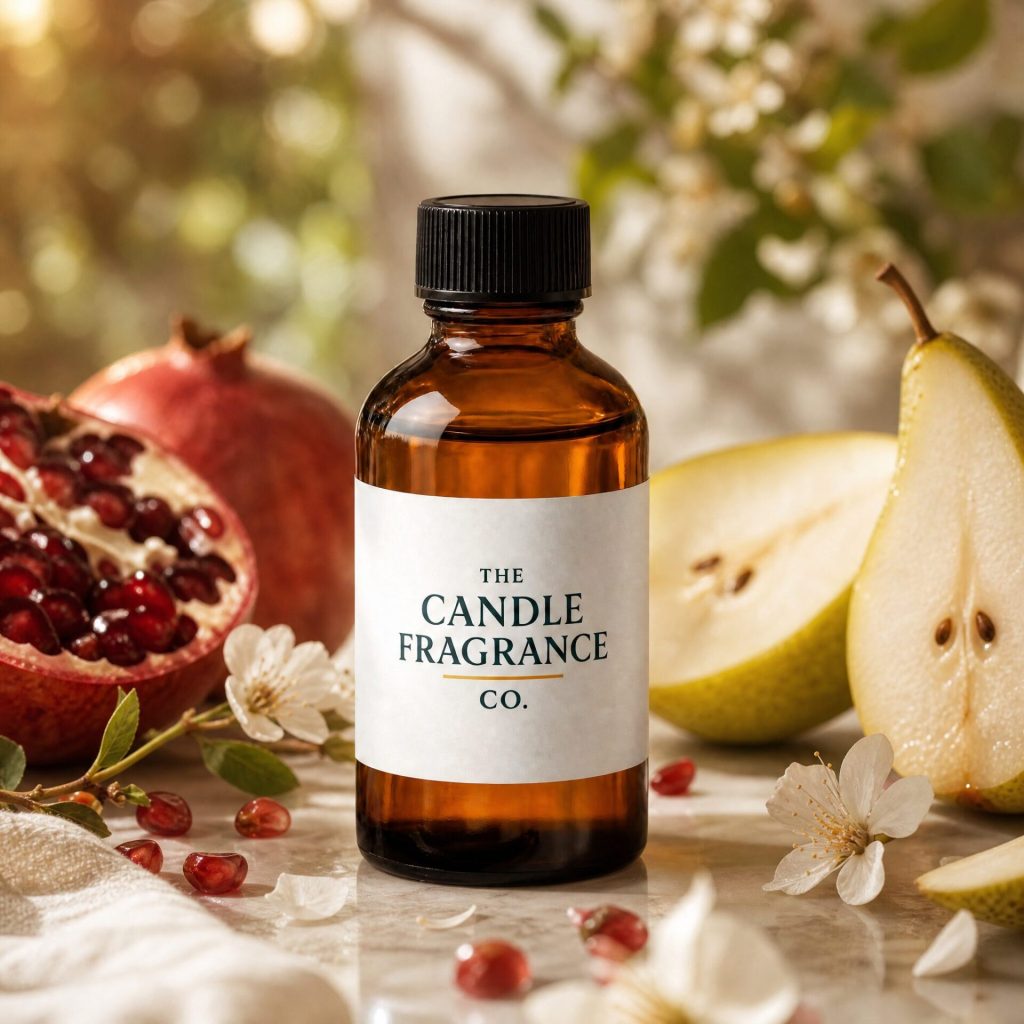
Fragrance oils are specially formulated scents used to give candles their desired aroma and fragrance character. They are available in a wide variety of fragrances, including floral, fruity, woody, fresh, sweet, spicy, and seasonal blends.
Choosing the right fragrance oil is important because it can affect the scent throw, burning performance, appearance, and overall quality of the finished candle.
What Are Fragrance Oils?
Fragrance oils are concentrated fragrance formulations designed to provide a particular scent. Unlike essential oils, which are extracted from natural plant materials, fragrance oils may contain a combination of aromatic compounds and natural or synthetic fragrance ingredients.
For candle making, it is important to use a fragrance oil that is specifically suitable for candles and tested for the intended wax and application.
Types of Candle Fragrances
Some popular fragrance categories include:
- Floral: Rose, Jasmine, Lavender, Mogra, Champa
- Fruity: Mango, Strawberry, Apple, Pineapple, Peach
- Fresh: Lemon, Mint, Cucumber, Ocean, Eucalyptus
- Woody: Sandalwood, Cedar, Musk
- Sweet: Vanilla, Chocolate, Caramel
- Spicy: Cinnamon, Cardamom, Saffron
- Clean & Soapy: Fresh linen, soap, baby, and powder fragrances
- Luxury & Perfume: Cologne, musk, and perfume-inspired fragrances
How Fragrance Oil Is Added to Candles
The fragrance oil is generally added to the melted wax at a manufacturer-recommended temperature. The wax and fragrance should be mixed thoroughly to achieve even distribution.
The correct fragrance percentage depends on the type of wax, fragrance formulation, manufacturer’s recommendations, and candle application. Adding more fragrance does not necessarily produce a stronger or better candle and may negatively affect burning performance.
Cold Throw and Hot Throw
Two important terms used in candle making are:
Cold Throw:
The fragrance you can smell from a candle when it is not burning.
Hot Throw:
The fragrance released into the surrounding area while the candle is burning.
A good candle should have an appropriate fragrance experience both before and during burning.
Factors Affecting Fragrance Performance
Several factors can influence how fragrance performs in a candle:
- Type of wax
- Fragrance oil formulation
- Fragrance concentration
- Mixing temperature
- Mixing time
- Candle curing time
- Wick size and type
- Container size and design
- Burning conditions
Fragrance Oil vs. Essential Oil
| Feature | Fragrance Oil | Essential Oil |
|---|---|---|
| Source | Natural, synthetic, or blended aromatic ingredients | Extracted from plants |
| Fragrance Variety | Very wide range | Limited to naturally occurring aromas |
| Candle Compatibility | Many are specifically formulated for candles | Performance varies by oil |
| Scent Options | Fruity, floral, perfume, fresh, etc. | Primarily plant-derived scents |
| Consistency | Generally consistent when properly formulated | Can vary depending on source and batch |
Tips for Using Fragrance Oils
- Use candle-compatible fragrance oils.
- Follow the supplier’s recommended usage rate.
- Measure fragrance accurately rather than estimating.
- Mix thoroughly with the melted wax.
- Test the fragrance with your specific wax.
- Allow candles to cure for the recommended period before evaluating performance.
- Conduct burn tests before large-scale production.
- Store fragrance oils in suitable, tightly closed containers away from excessive heat and direct sunlight.
Safety Considerations
Not every fragrance oil is suitable for candle burning. Always check the supplier’s technical documentation, recommended usage level, and candle-specific safety information before use.
A fragrance oil should be evaluated together with the complete candle formulation, including the wax and wick. Proper testing helps ensure that the finished candle burns safely and performs as intended.
Conclusion
Fragrance oils are an important ingredient in scented candles and provide virtually unlimited opportunities for creating unique aromas. By selecting a suitable candle fragrance, using the correct concentration, following proper mixing procedures, and conducting thorough testing, candle makers can create candles with attractive and consistent fragrance performance.