Wick Materials
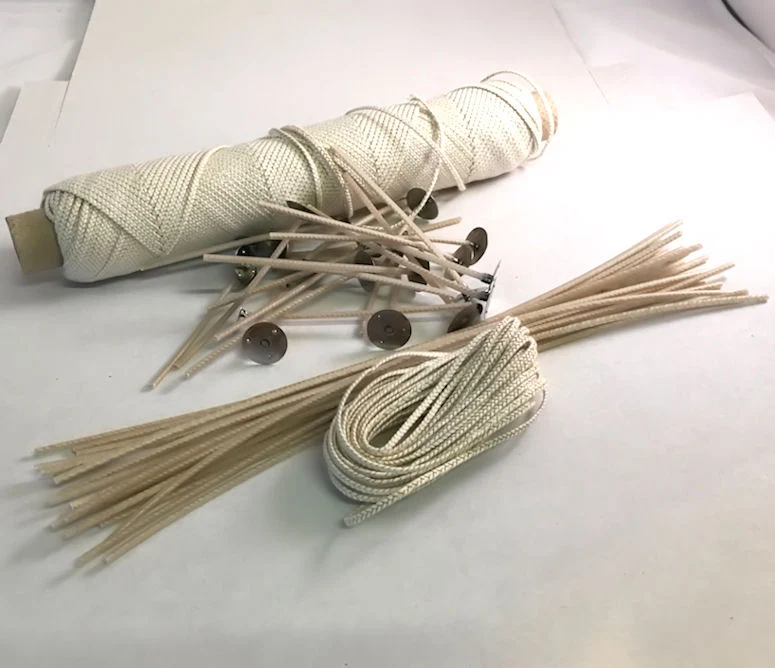
The wick is one of the most important components of a candle. It carries melted wax to the flame, where the wax is vaporized and burned. The material, construction, thickness, and treatment of the wick can significantly affect the candle’s flame, burn time, melt pool, and overall performance.
Different candle types and wax formulations may perform better with different wick materials. Understanding the characteristics of each type helps candle makers select the most suitable wick for their products.
Common Wick Materials
1. Cotton Wicks
Cotton is one of the most widely used wick materials. Cotton wicks are made from braided or woven cotton fibres and are available in many sizes and constructions.
Advantages:
- Widely available
- Suitable for many types of candles
- Produces a generally stable flame
- Available in different thicknesses and braiding styles
- Suitable for container and pillar candles
Cotton wicks are a good starting choice for many candle-making projects.
2. Wooden Wicks
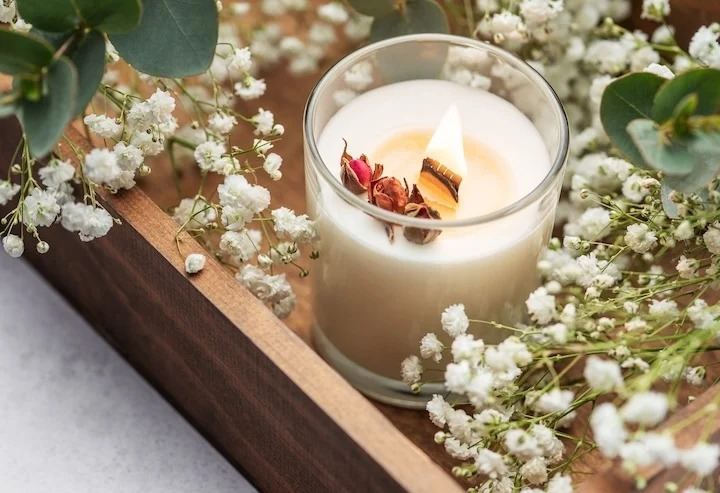
Wooden wicks are made from thin pieces or layers of wood. They are popular for their distinctive soft crackling sound and attractive flame appearance.
Advantages:
- Creates a unique burning experience
- Attractive flame
- Available in different widths and thicknesses
- Can work well in certain container candles
Wooden wicks require appropriate sizing and testing because their performance can vary significantly with different waxes and candle formulations.
3. Paper-Core Wicks
Paper-core wicks contain paper fibres within the wick structure. They are designed to provide additional stiffness and support while maintaining good fuel delivery.
Advantages:
- Good rigidity
- Easy to position in containers
- Available in various sizes
- Suitable for different candle formulations
4. Cotton-Core Wicks
Cotton-core wicks use a cotton structure designed to provide additional support. They can help the wick remain upright while burning.
Advantages:
- Good structural stability
- Suitable for container candles
- Available in various sizes
- Can provide consistent burning when properly selected
5. Hemp Wicks
Hemp fibres can be used to manufacture candle wicks and are sometimes selected by makers looking for plant-based fibre options.
Advantages:
- Made from a natural fibre
- Suitable for certain candle applications
- Can provide a distinctive burning performance
Like all wick materials, hemp wicks should be tested with the intended wax and formulation.
Wick Treatments
Some candle wicks are treated or coated with materials such as wax or other suitable compounds before use. This can make the wick easier to handle, help it remain upright, and improve its compatibility with the candle-making process.
Comparing Common Wick Materials
| Wick Material | Key Characteristic | Common Applications |
|---|---|---|
| Cotton | Versatile and widely available | Container & pillar candles |
| Wooden | Distinctive flame and crackling sound | Container candles |
| Paper-Core | Good stiffness | Container candles |
| Cotton-Core | Added structural support | Container candles |
| Hemp | Natural fibre option | Selected candle applications |
How to Choose the Right Wick Material
The wick material should be selected based on the wax type, candle diameter, fragrance load, colour, container, desired flame, and intended burn time.
For example, a wick that performs well in a paraffin candle may not perform identically in a soy or beeswax candle. Therefore, the wick should always be tested with the complete candle formulation.
Importance of Wick Testing
Even when the material is suitable, the wick may still be incorrectly sized. Test different wick sizes and constructions while monitoring:
- Flame height
- Melt-pool diameter
- Burn rate
- Soot and smoke
- Wick mushrooming
- Container temperature
- Overall candle performance
Conclusion
Wick materials play an important role in determining how a candle burns. Cotton, wooden, paper-core, cotton-core, and hemp wicks each have different characteristics and applications. Selecting the right material, followed by proper sizing and burn testing, helps create candles with a stable flame, consistent performance, and an enjoyable burning experience.