
Preventing Sinkholes in Candles
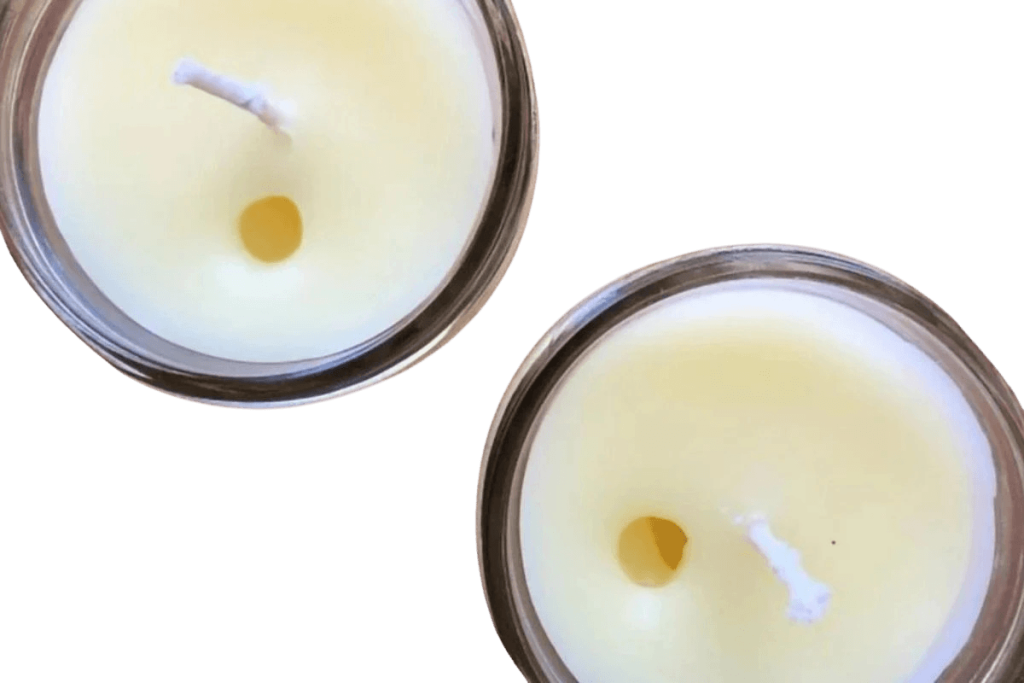
Sinkholes in candles are small depressions, cavities, or hollow spaces that develop on the surface or inside the candle during the cooling and solidification process. They commonly occur when molten wax shrinks as it cools, creating voids or uneven surfaces, particularly around the wick and in the lower or central portions of the candle.
Preventing sinkholes requires proper temperature control, controlled cooling, appropriate wax selection, and effective pouring techniques. A well-managed candle-making process helps ensure uniform wax solidification, minimizes shrinkage-related defects, and produces candles with a smooth surface and consistent appearance.
Key Methods for Preventing Sinkholes
- Proper Wax Temperature: Heat the wax to the recommended melting and pouring temperatures for the specific wax type to support consistent pouring and solidification.
- Controlled Cooling: Allow candles to cool gradually at a stable room temperature to minimize uneven shrinkage and internal cavities.
- Preheating Moulds and Containers: Warm moulds or containers when appropriate to reduce sudden temperature differences and promote uniform cooling.
- Correct Pouring Temperature: Pour wax at a suitable temperature to achieve proper adhesion, surface finish, and consistent solidification.
- Second Pour Technique: Reserve a small quantity of melted wax for a second pour to fill shrinkage depressions or cavities that develop as the candle cools.
- Proper Wick Positioning: Keep the wick centered and securely positioned to maintain uniform candle geometry and avoid uneven cooling around the wick.
- Suitable Wax Selection: Choose a wax formulation with appropriate shrinkage, hardness, and cooling characteristics for the candle design.
- Avoid Rapid Cooling: Keep freshly poured candles away from cold surfaces, strong airflow, and sudden temperature changes that can contribute to uneven solidification.
- Appropriate Mould Design: Use suitable mould materials and geometries that support uniform heat transfer and easy candle release.
- Controlled Pouring Process: Maintain consistent pouring conditions and avoid introducing excessive air bubbles into the molten wax.
Benefits of Preventing Sinkholes
- Smooth and uniform candle surfaces
- Improved candle appearance and finish
- Reduced internal cavities and surface depressions
- Better consistency in candle dimensions and shape
- Reduced wax waste and production rework
- Improved manufacturing efficiency
- More consistent wick positioning and candle structure
Importance of Temperature and Cooling Control
Wax undergoes volumetric shrinkage as it transitions from a molten state to a solid state. If the outer surface solidifies before the inner wax has finished cooling, the remaining molten wax may contract and create sinkholes or internal voids. Maintaining suitable pouring temperatures and allowing controlled cooling can help minimize these defects.
For candles with significant shrinkage, a carefully timed second pour can replenish the wax in areas where depressions have formed. The appropriate technique depends on the wax formulation, candle size, mould design, and production conditions.
Effective sinkhole prevention depends on balancing wax temperature, pouring technique, cooling rate, mould conditions, and wax formulation. Proper control of these factors helps produce smooth, uniform, visually appealing candles while reducing defects, material waste, and additional finishing work.