Choosing the Right Wick
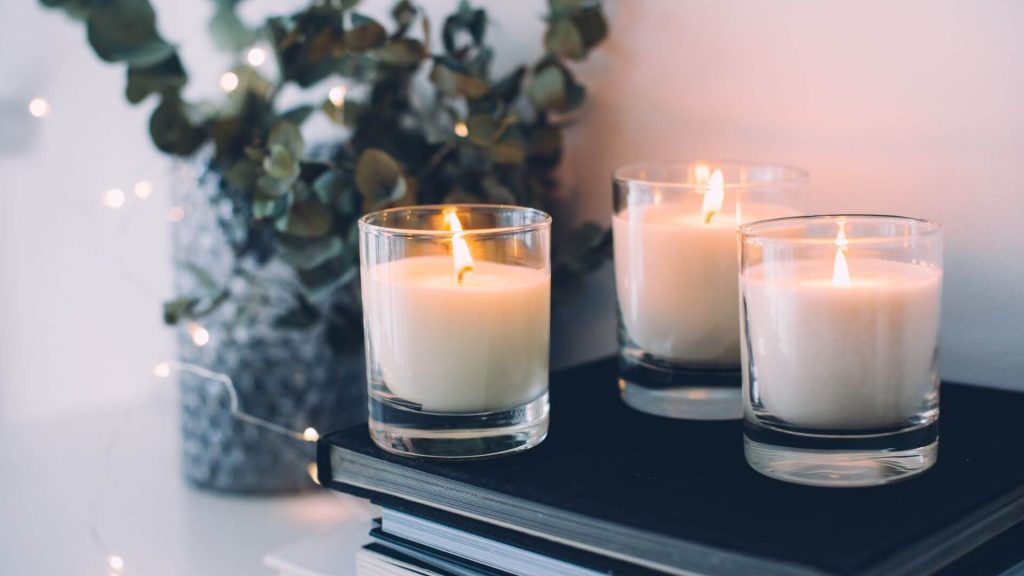
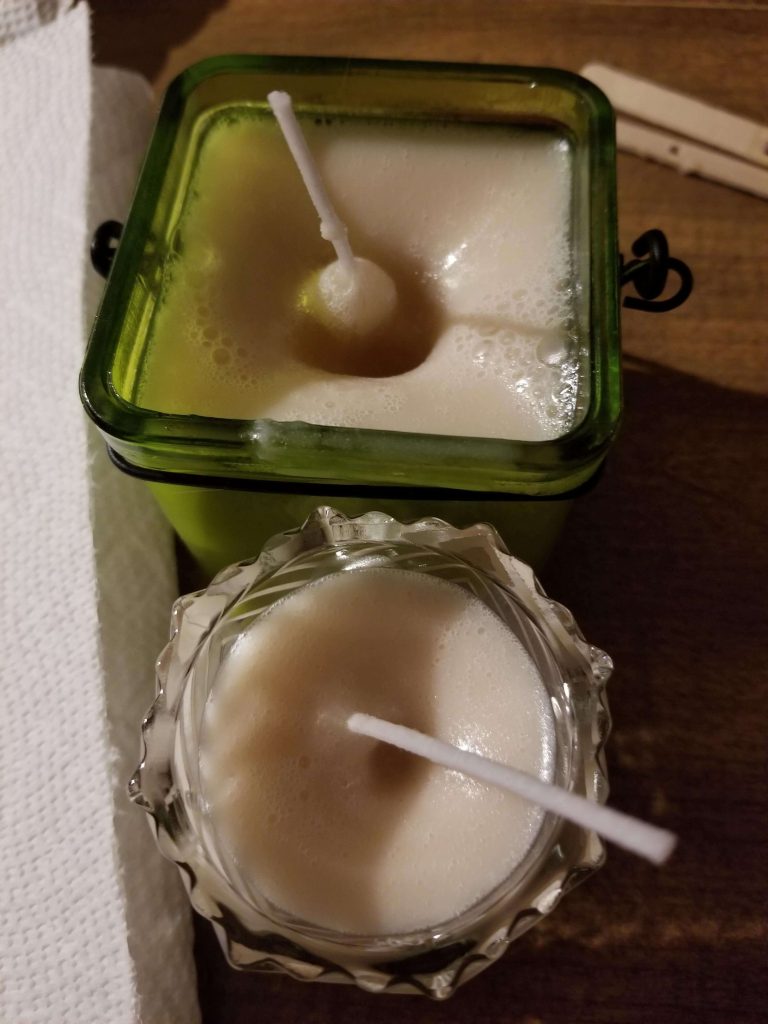
Choosing the right wick is one of the most important steps in candle making. A properly selected wick helps the candle burn evenly, maintain a stable flame, create a suitable melt pool, and provide good fragrance performance.
The correct wick depends on several factors, including the wax type, candle diameter, fragrance, container, and desired burn time.
Factors to Consider When Choosing a Wick
- Type of Wax
Different waxes have different melting points and burning characteristics. A wick suitable for soy wax may not perform the same way in beeswax, paraffin, coconut wax, or blended waxes. - Candle Diameter
The diameter of the candle is one of the most important factors. A wider candle may require a larger wick or multiple wicks to achieve an even melt pool. - Wick Size
Wicks are available in different sizes and thicknesses. A wick that is too small may create a small melt pool and cause tunneling, while an oversized wick may produce excessive heat, soot, or a very large flame. - Fragrance Load
Fragrance oils can change the way a candle burns. Heavily fragranced candles may require different wick testing than unscented candles. - Colorants and Additives
Candle dyes, mica, additives, and other ingredients can influence wick performance. Always test the complete candle formula rather than testing the wax alone. - Type of Candle
Container candles, pillar candles, votives, tealights, and molded candles can require different wick constructions and sizes. - Desired Melt Pool
The wick should generate enough heat to create a suitable melt pool without overheating the container or producing an excessively large flame.
Signs of an Incorrect Wick
Wick Too Small:
- Candle tunnels down the center
- Small flame
- Incomplete melt pool
- Poor fragrance release
Wick Too Large:
- Very large flame
- Excessive soot or smoke
- Excessive heat
- Melt pool becomes too deep or wide
- Candle burns too quickly
Wick Testing
Never choose a wick based only on a manufacturer’s recommendation. Use it as a starting point and conduct your own burn tests.
Test different wick sizes using the same:
- Wax
- Fragrance
- Fragrance percentage
- Color
- Container
- Candle diameter
Observe the flame, melt pool, container temperature, burn rate, and overall candle performance.
In Short
The right wick creates the balance between the flame and the wax. Start with the wick manufacturer’s recommendations, then test different wick sizes to find the best option for your specific candle formula.
A well-tested wick helps produce a safe, consistent, clean-burning, and attractive candle.